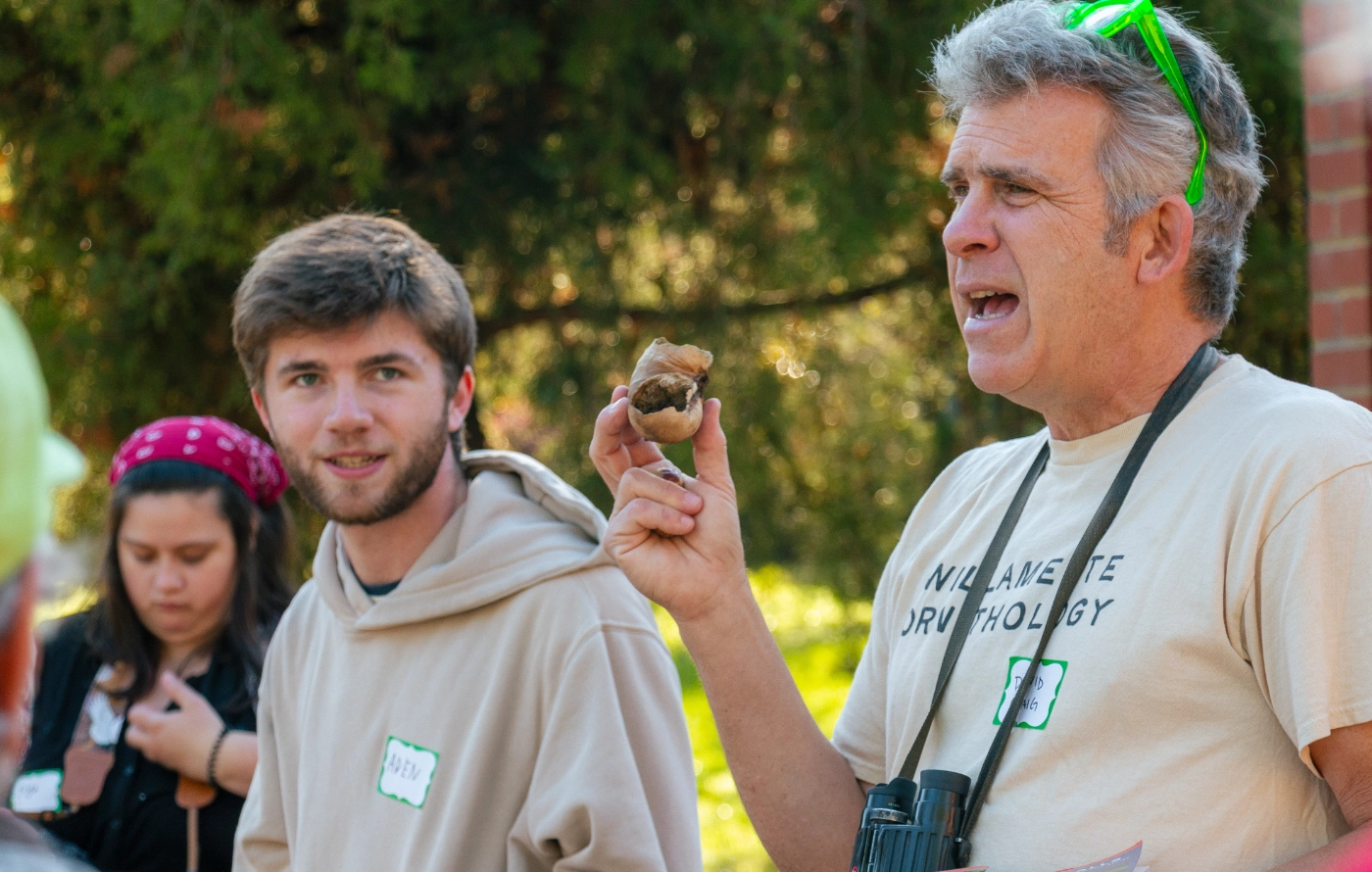
Much like Oregon’s white oak, Professor of Biology David Craig is a defining fixture on the Willamette University campus. Sometimes known as “the guy with the green glasses,” he’s the co-director of Willamette’s Science Collaborative Research Program. He advises student clubs like WU Bird Nerds, Growing Oaks, and Castaway WU. He’s mentored countless students in finding outstanding research or postgraduate opportunities.
He’ll also be the first person to tell you that this story shouldn’t be about him. But when it comes to turning knowledge into action through advocacy and education, especially concerning Oregon’s towering white oaks, it should be.
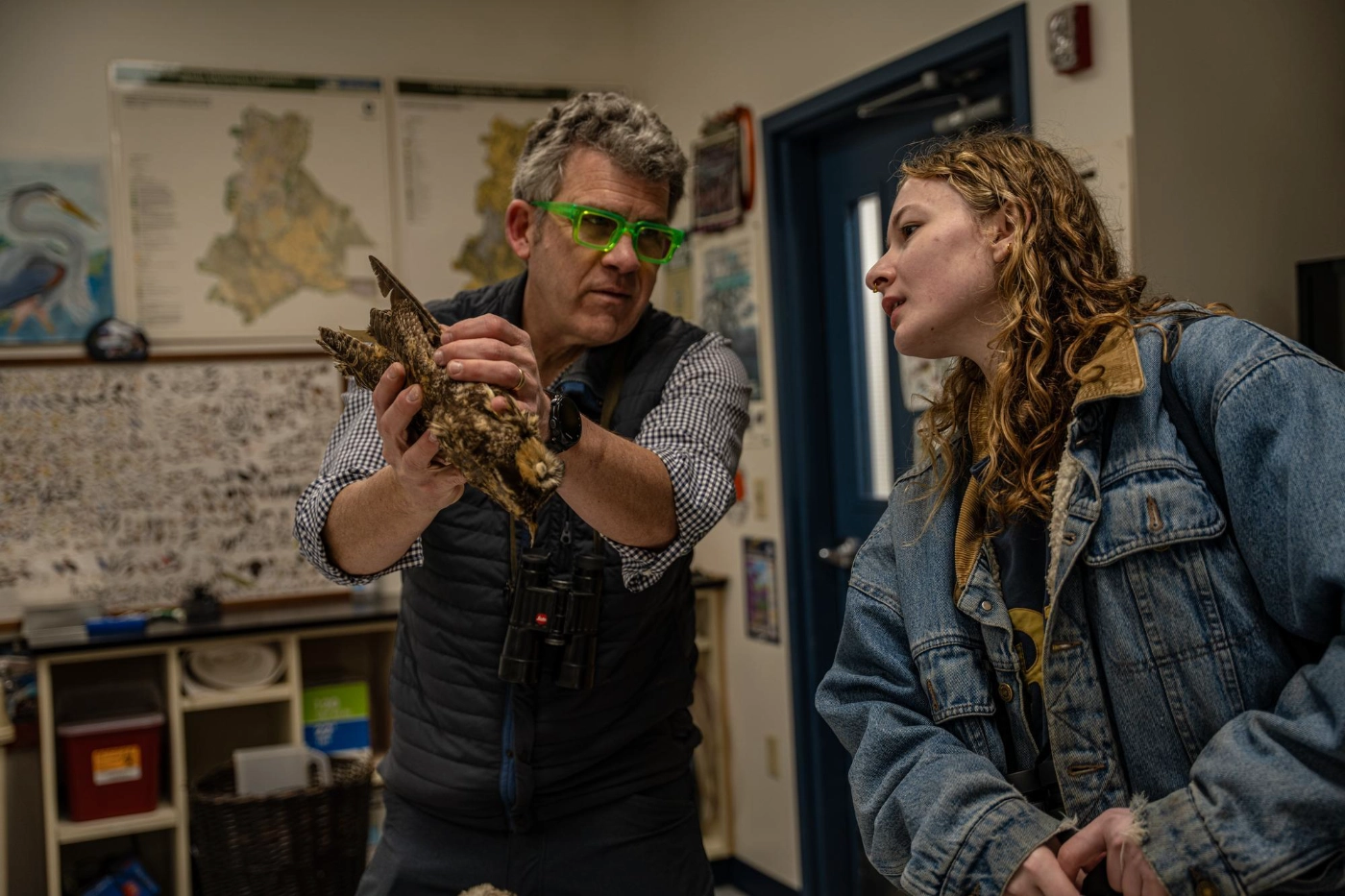
“Extinction and climate change are here; that knowledge is deeply heavy and sad,” Craig says. “But we know the way out is to work together. Hope is an action, and I wanted to make a system where anybody who wanted to could join at any point.”
Ten years ago, Craig, a behavioral ecologist, wanted to start a new project rooted in species found in the local environment. He didn’t need to travel farther than his parked car.
“Salem has extraordinary old-growth oak groves, and I realized some of those oaks are in our very own parking lot,” Craig says. “I brought this discovery to Professor Emerita Karen Arabas, who validated through dendrochronology that those trees have been here since before 1833. Before European settlement, before the university was founded. Some took root over 250 years ago.”
“We call these witness or legacy trees, and they’re right here on our campus,” Craig continues. “They record history in their rings. When a tree is lost, I bring a sample of recorded history into the classroom or a local pub to trace this history with students and the public.”
Through Craig’s teaching and research, a tree can become a window into the history of the region and the peoples who have called it home over centuries.
“These trees have seen 80-year-olds, who used to swing from their branches, grow up,” Craig says. “They witnessed the semi-industrial landscape brought by early settler-colonizers. They benefited from Kalapuya fire management technology and active cultivation — the names of the Indigenous people who tended these trees are lost, but their descendants remain.”
Growing trees through advocacy and action
By recovering this history, Craig inspires his students and the larger Salem community to turn land acknowledgment into land action through programming and clubs to plant more oak trees.
Growing Oaks, a popular student-led initiative Craig advises, nurtures saplings from acorns and distributes them to be planted, with an ambitious goal of planting 11,000 new trees a year. Over the last five years, Growing Oaks has collected and germinated thousands of acorns, completed over 500 volunteer hours at the Grand Ronde Native Plant Nursery, shaped Salem’s tree code, and helped preserve legacy oaks across the city.
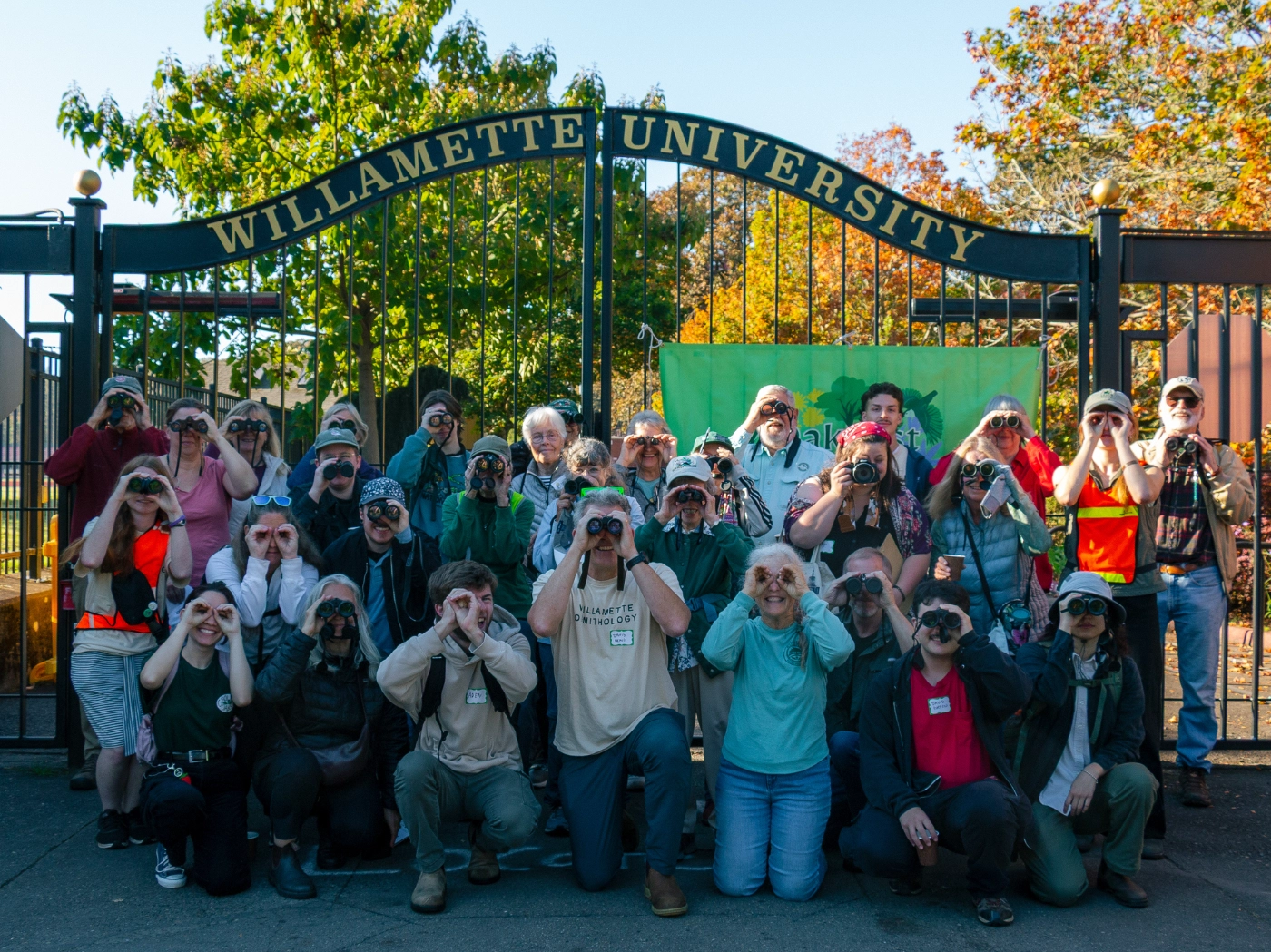
The group’s student-organized OakFest event, which took place in October, invited the public to learn more about the white oak and plant new trees. It even received notice from Congresswoman Andrea Salinas, who represents Salem and the surrounding area in Washington, DC.
“OakFest has strengthened community ties and renewed interest in native ecology and Indigenous stewardship practices,” Salinas wrote in a letter to the student organizers. “Events like this demonstrate the lasting impact Willamette University and its community have on Salem.”
Partnerships for preservation in Oregon’s wine country
As one of the top wine-producing regions in the world, Oregon’s temperate climate and rolling landscape are an ideal location to establish vineyards. That same landscape is exactly what the White Oak needs to thrive. Craig knew that engaging with one of Oregon’s fastest-growing industries to help their operators understand the importance of the oaks, and how they could do their part to preserve their habitat, was key to keeping the trees in the Willamette Valley for future generations.
That outreach created a productive relationship between private industry and research, giving students the opportunity to gain direct experience helping businesses understand their environmental impact. Today, the club partners with the nonprofit LIVE, which certifies sustainable and socially responsible winegrowing in the Pacific Northwest.
Protecting the white oak through research and teaching
Craig has also mentored students across disciplines to conduct research on the white oak, such as a cutting-edge genomics project with pre-med students who studied tumor biology through investigations of oak galls and the wasps that make them.
“The point is that we need everybody involved in biodiversity, conservation, and climate change action. Everybody’s a community member and stakeholder,” Craig says.
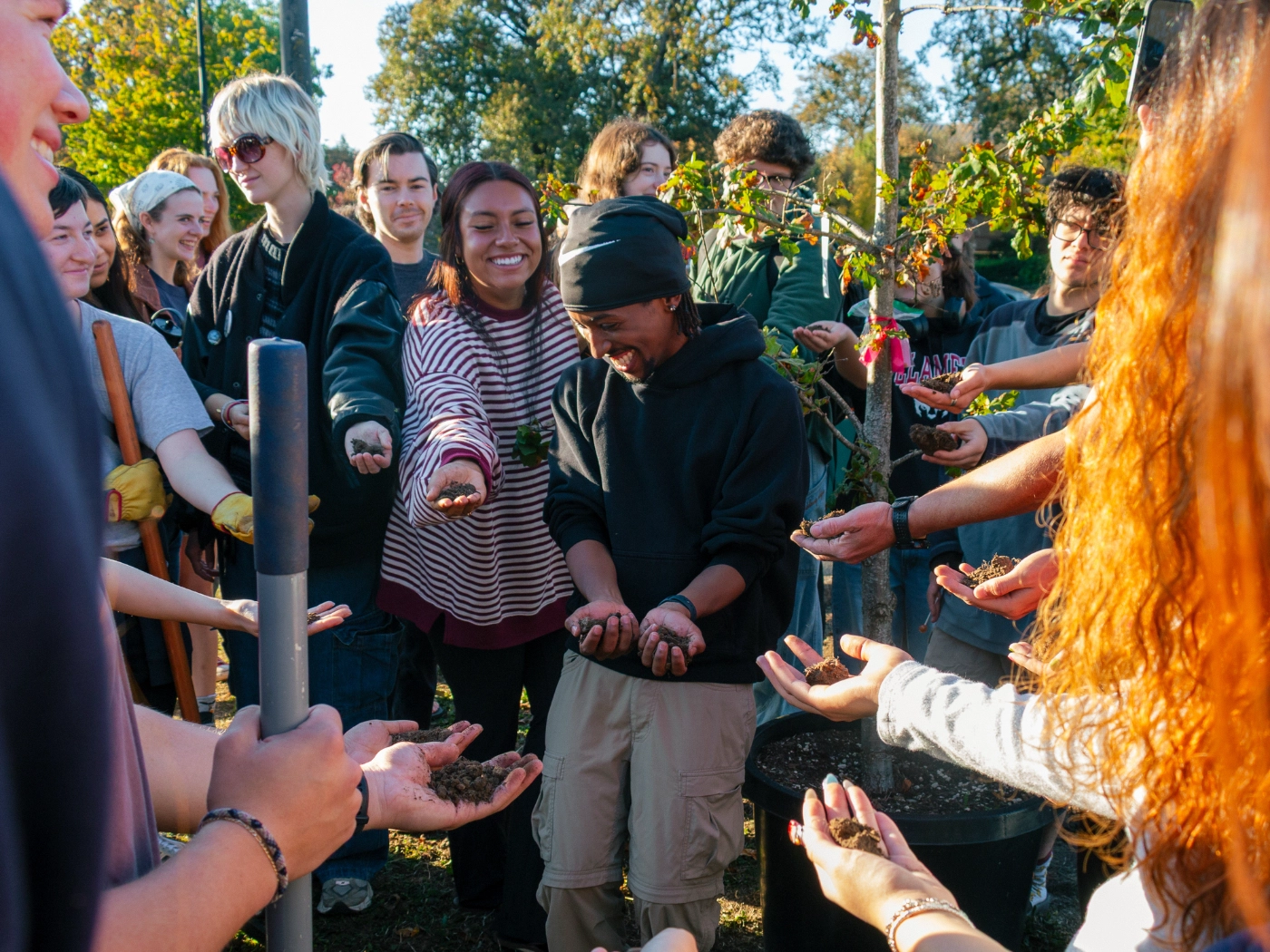
Craig’s teaching, which often gets students out of the classroom to explore campus, the nearby forest property Willamette at Zena, and the surrounding area, has had a strong impact on his students.
“Professor Craig’s experiential approach showcasing human-environmental connections and the complexities of our shared histories and positionality as students in our work to combat climate and social injustice has been invaluable,” says Rose Grimson BS’27, Environmental Science major and president of Growing Oaks.
“The successes and strengths of Growing Oaks would not be possible without the ambitious and unwavering support from Professor Craig, who continues to challenge us to push our bounds and reach across Oregon in our work to conserve Oregon white oak,” Grimson says.
By showing the rich connections between biology, medicine, environmental science, climate change, and civic life, Craig’s work shows how a Willamette education can prepare students to make a global impact.
“Nearly all college campuses have oaks in their stories, making the trees a shared language for building community. This principle holds across North America and Europe, too,” Craig says.
Craig challenges all of us to join in on the effort.
“Let’s collect the acorns, pot them, grow them, share them with people to tell them the story of Willamette University. Let’s go plant those oak trees in places that need them!”