This September, a cohort of Willamette University students traded their textbooks for trowels, harvesting heirloom tomatoes they grew themselves at Willamette University at Zena, a 305 acre forest property owned and stewarded by the university. The produce was destined for plates at Goudy Commons, where it would nourish students while providing a lesson in sustainable food systems.
Located just 20 minutes west of Willamette’s Salem campus, Willamette University at Zena represents a vital ecological treasure for the region and a unique educational resource for students and faculty. The landscape is diverse, featuring oak and mixed woodlands, riparian zones, grasslands, wetlands, and freshwater habitats, along with forest plantations. The property has been the source of student and faculty research, countless teaching and learning opportunities, fresh produce, and community gatherings.
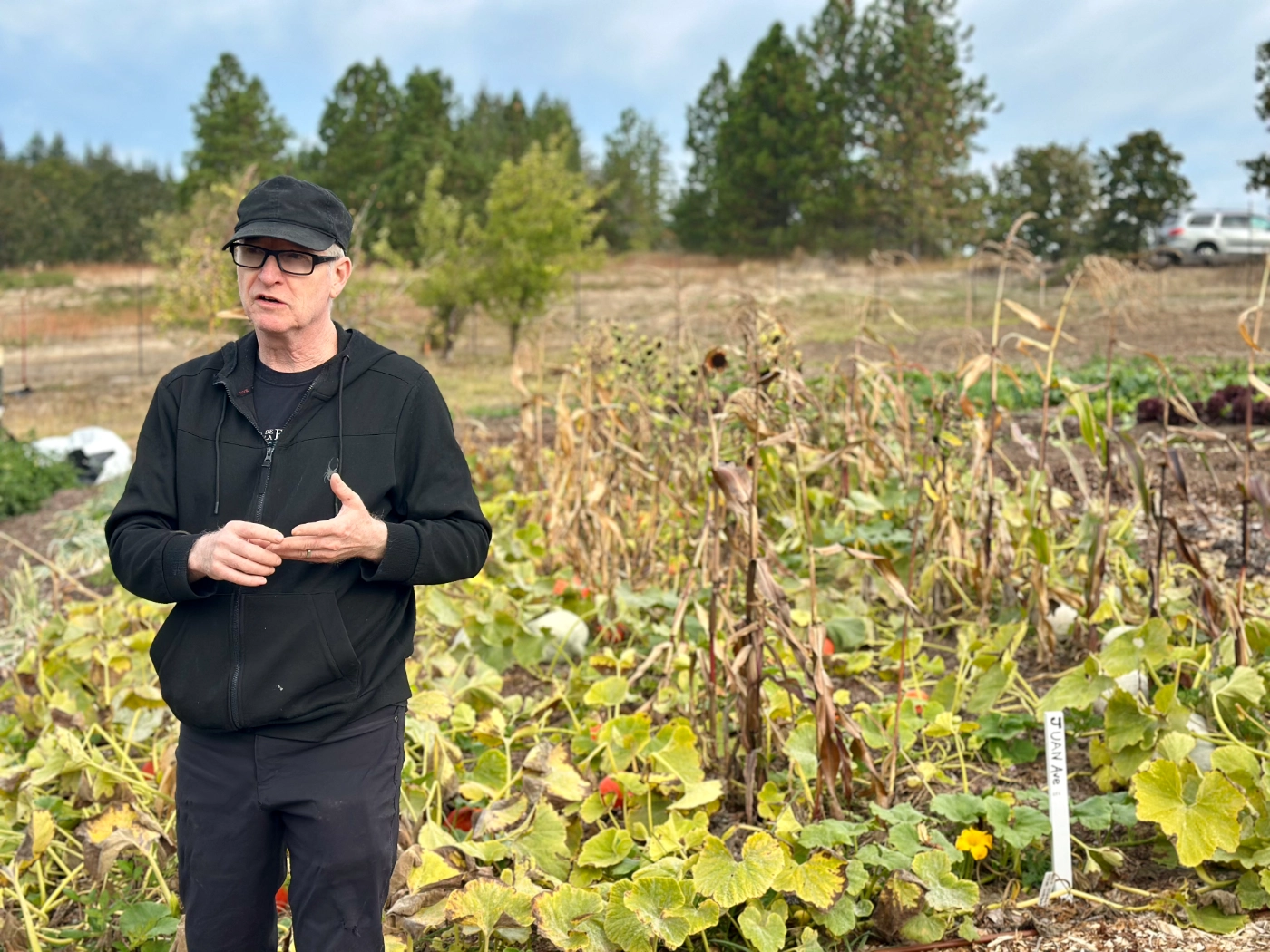
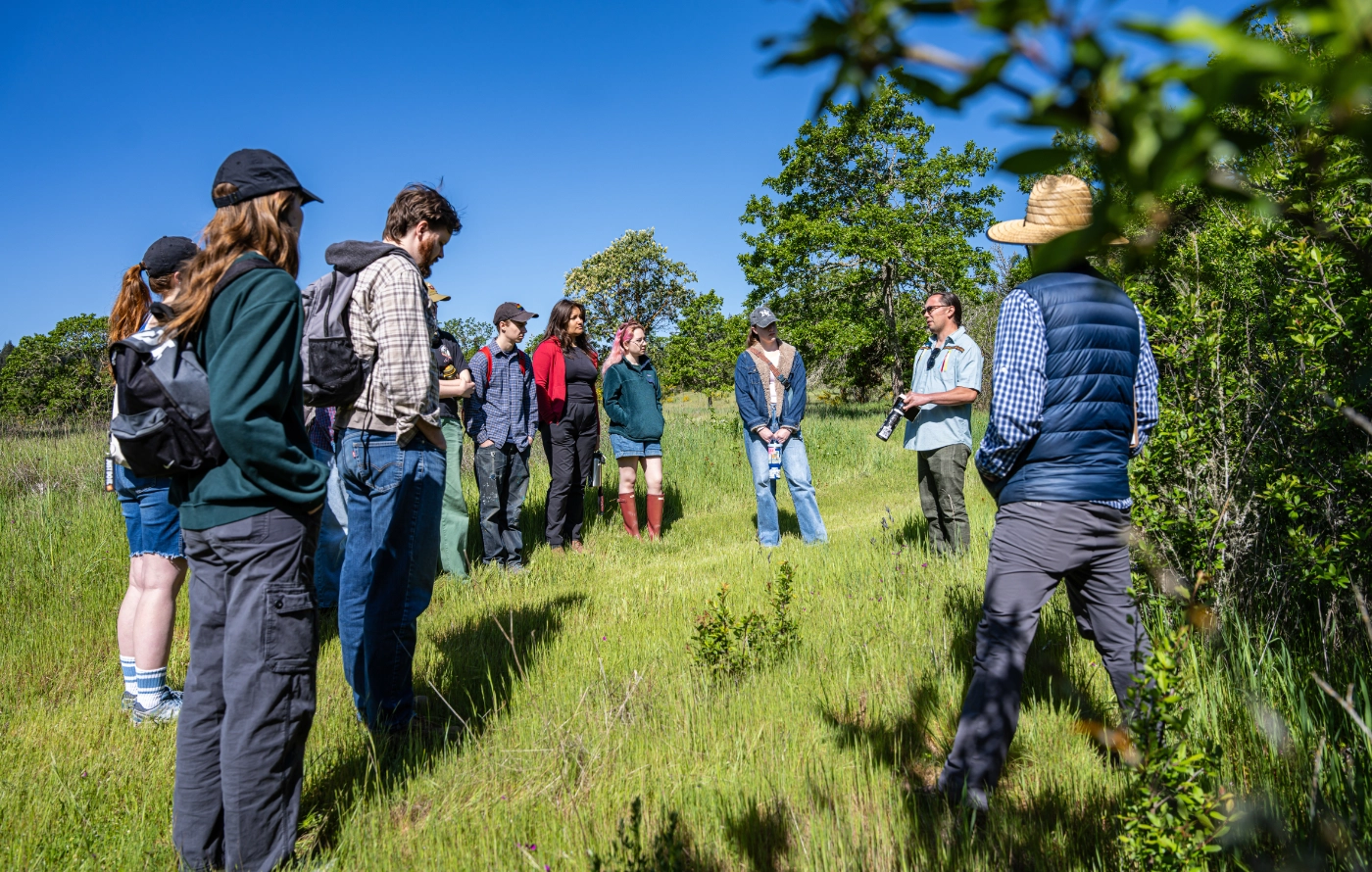
“The goal really is to help create a sense of place for our students,” says Weston Miller, Director of Willamette University at Zena. “What makes Zena special is that it's an opportunity for students to get out of the classroom, to get their hands dirty doing farm work and forestry, but also to explore and learn about nature in a really beautiful spot.”
Nourishing the campus community
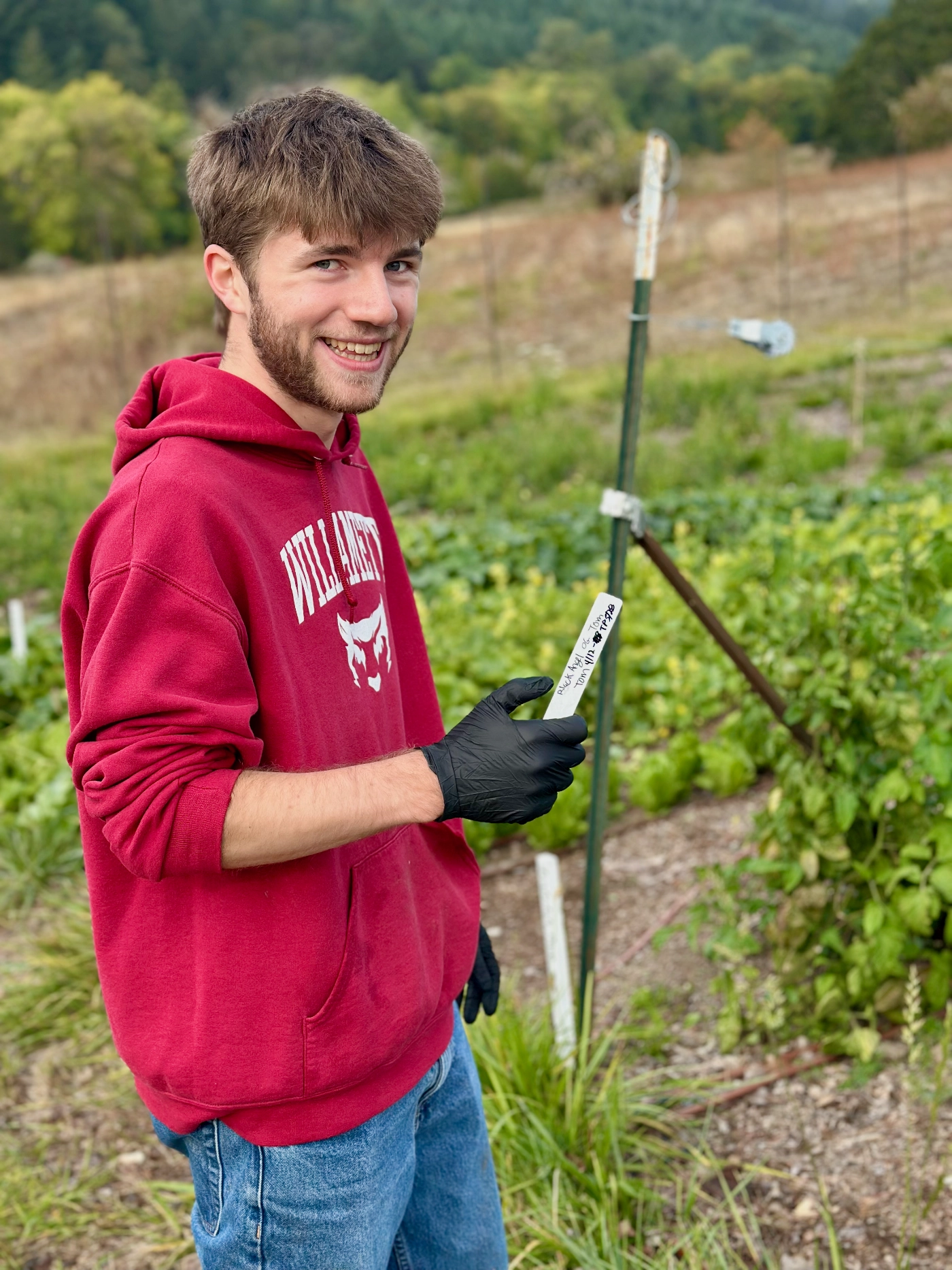
Environmental Science and Archaeology double major Aden Sommerville BS’27 spent the summer working as a Land Steward at the site, where he learned about sustainable agriculture and gained a deep appreciation for local food sourcing. Students work to grow a variety of crops like tomatoes, lettuce, squash, and cucumbers on a small field and large greenhouse.
“In this day and age, there's so much disconnect between where our food comes from and what we're eating,” Sommerville says. “I think that college is all about growing up, and it's so special for people to learn and then get to eat stuff that their actual cohort, their own age group, has had a hand in growing.”
This local harvest pipeline helps chefs from Bon Appétit, which serves food at Willamette’s Salem campus dining facility, meet their ambitious goals of incorporating local ingredients into their recipes.
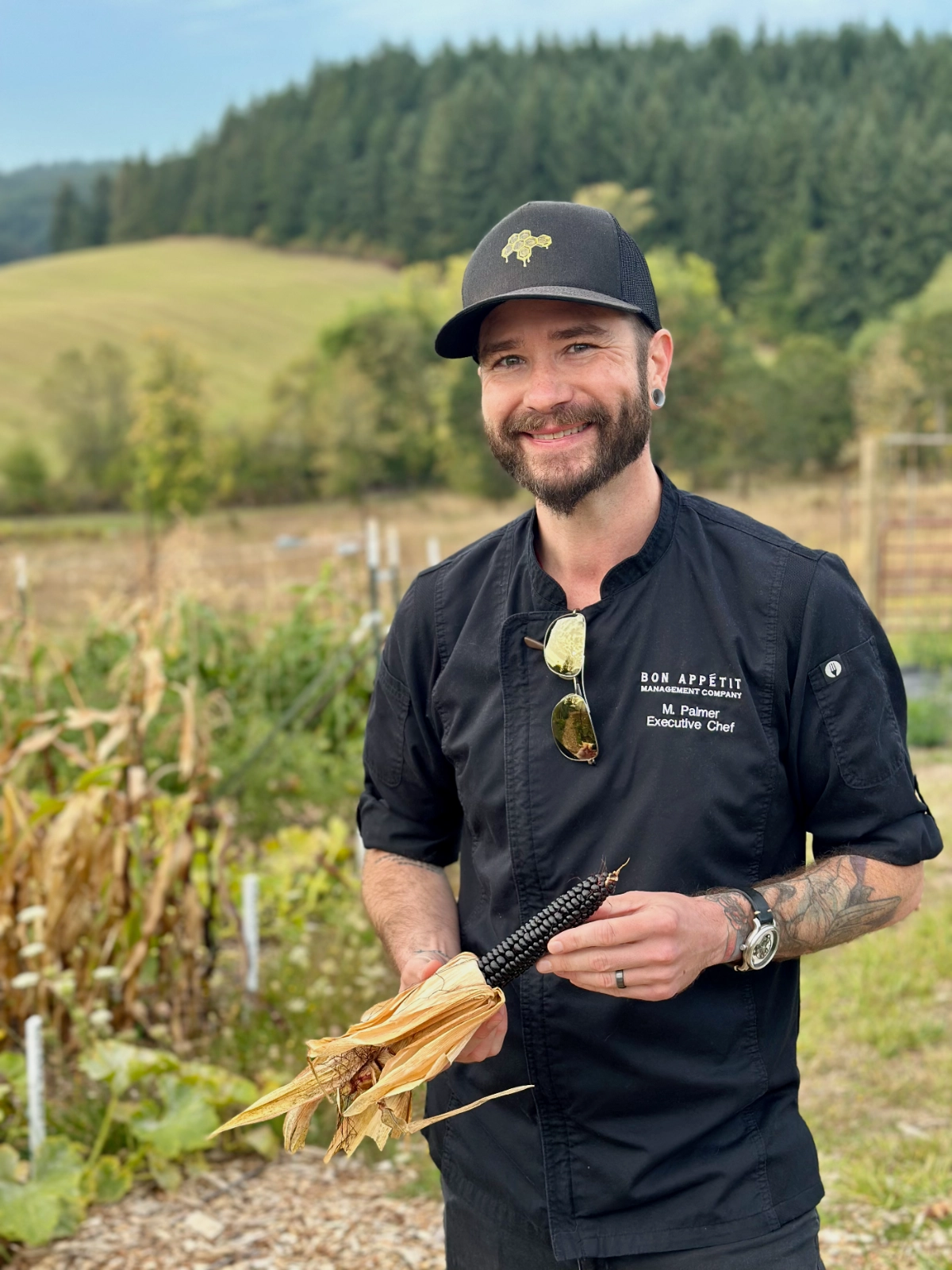
“The coolest part about this as opposed to other farms that I work with is that I get to work with Weston and we talk specifically about produce that I am excited about that I can't find from other local farmers,” says Bon Appétit Executive Chef Michael Palmer. Palmer works directly with Zena's director and student stewards to coordinate seasonal crops, which subsequently inspire the dishes he creates at Goudy.
A living laboratory
Beyond agriculture, students utilize Willamette University at Zena as a laboratory for forest management and native plant conservation. The site’s impact in these fields extends far beyond the Willamette campus. Using innovative sustainable practices, students and faculty recently harvested wood from the forest that now spans the stunning renovated lobby of the Portland International Airport — a highly visible, permanent testament to Willamette's commitment to environmental stewardship.
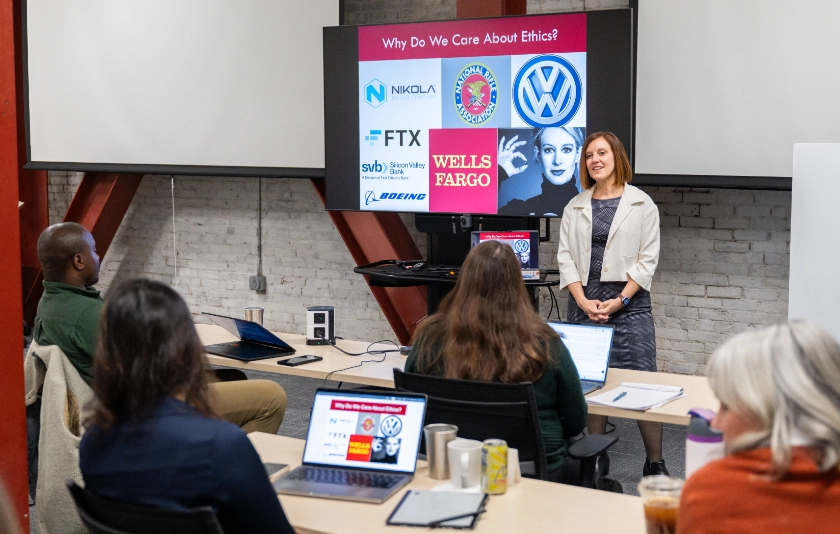
The property has also become a source of rich educational experiences across disciplines. The site plays a key role in forestry and environmental science courses and as part of Willamette’s dual degree Forestry Program. Professor of Communication and Media Studies Huike Wen’s College Colloquium course on food media recently used Zena to study food marketing, developing brand concepts around the property. Meanwhile, students from Willamette’s Pacific Northwest College of Art have conducted art walks on the site, turning the forest’s natural beauty into creative inspiration.
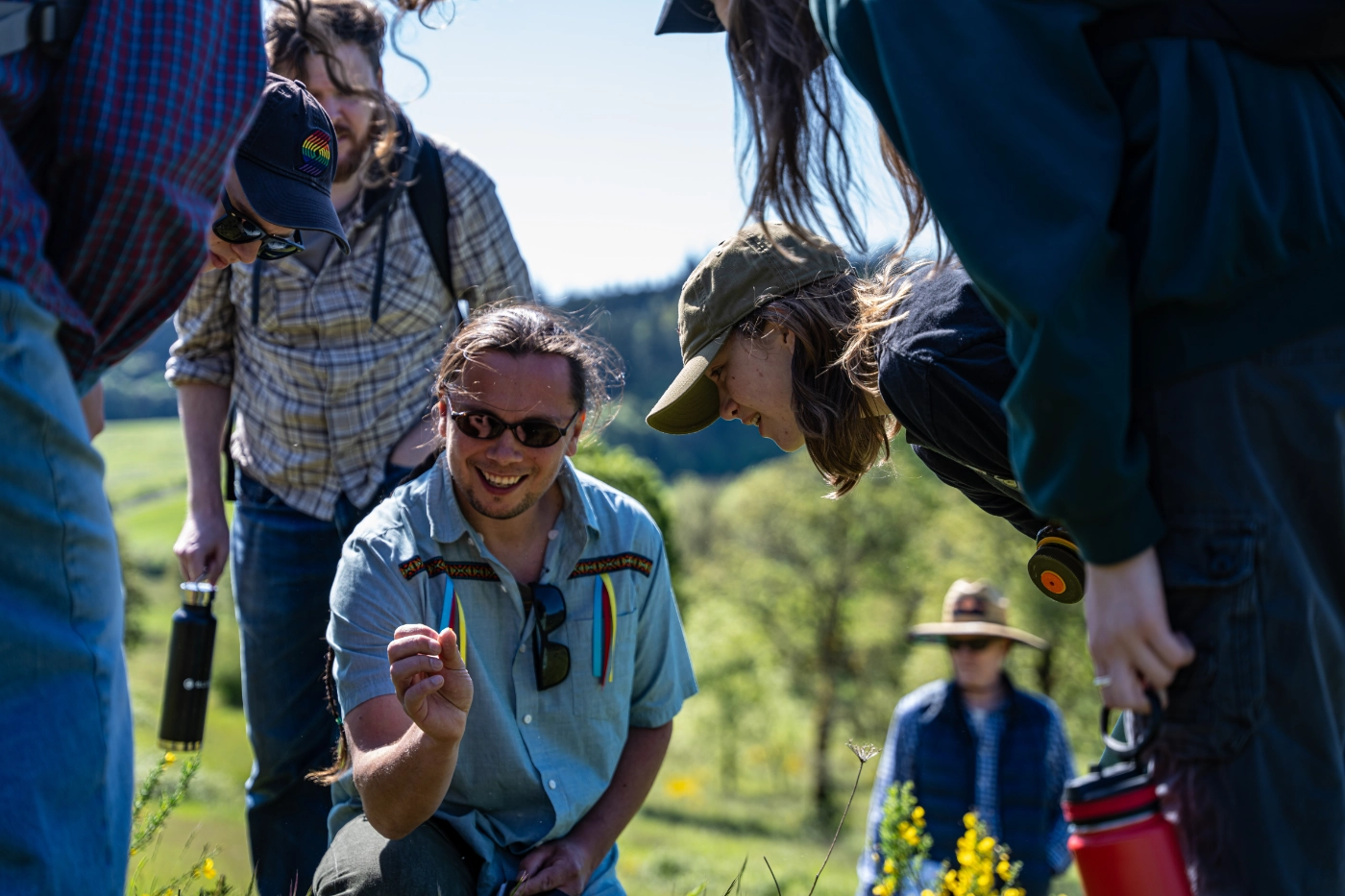
To deepen this ecological work, a partnership with members of the Confederated Tribes of Grand Ronde has created educational programs centered on native plant restoration. This collaboration allows students to learn alongside tribal members, integrating deep ecological knowledge with hands-on land management.
A space for recreation
More than an educational space, the property has a network of established walking trails on site giving anyone in the campus community a chance to reconnect with the outdoors. It can serve as a space for respite from the academic pressures of the school year, a host for student club activities, or an inspiring vantage for painters and photographers hoping to capture the calm beauty of the Willamette Valley.
Whether they are looking for their next research project, a place to take a hike, or a juicy heirloom tomato, Sommerville encourages his fellow students to make time to take the trip out to the site. And the next time they bite into a crisp salad at Goudy, he hopes students will take a moment to realize that food may have been grown by their peers just down the road.
“This place is such a hidden gem,” Sommerville says. “And we do not want it to be hidden any longer.”