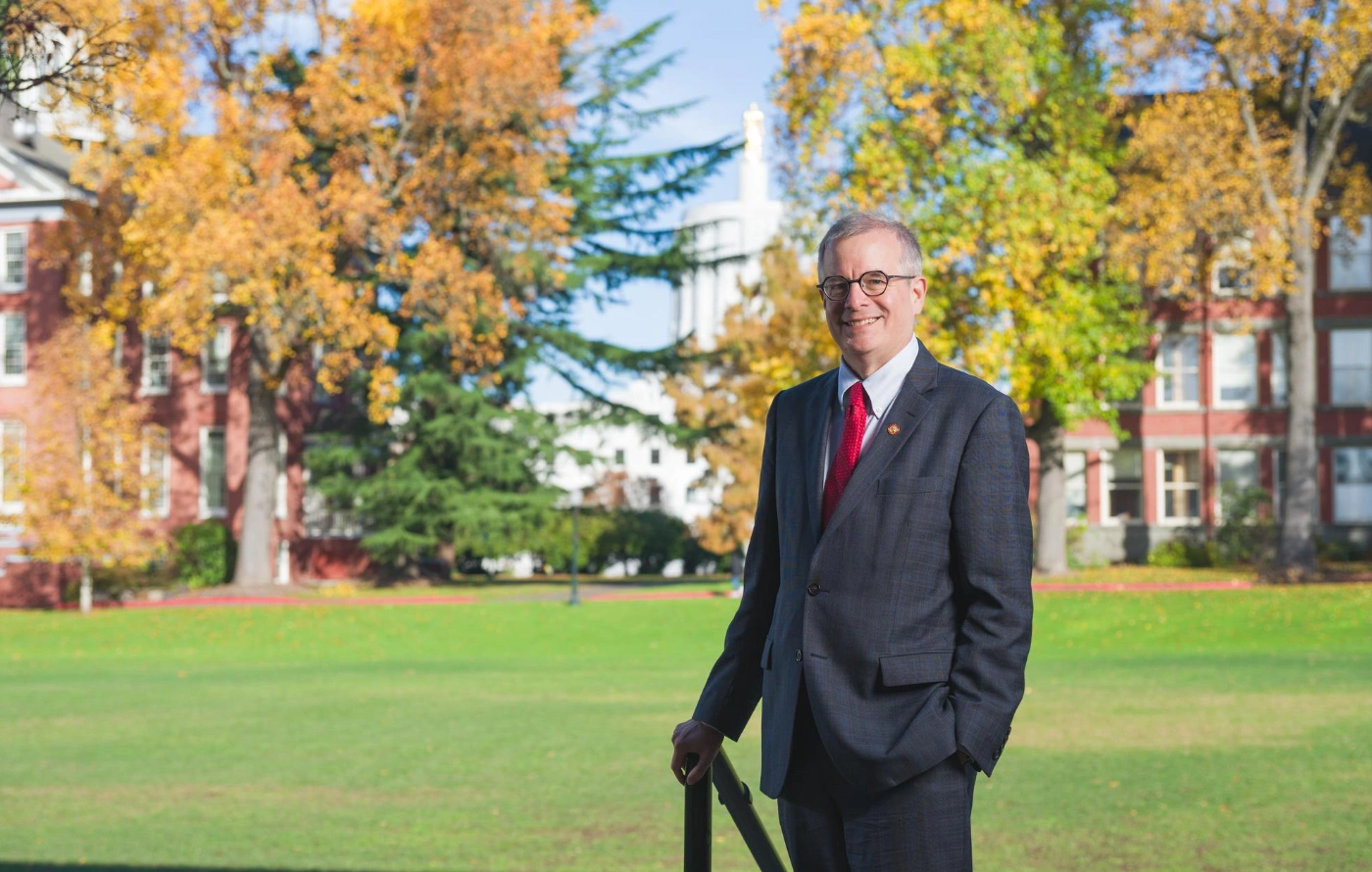
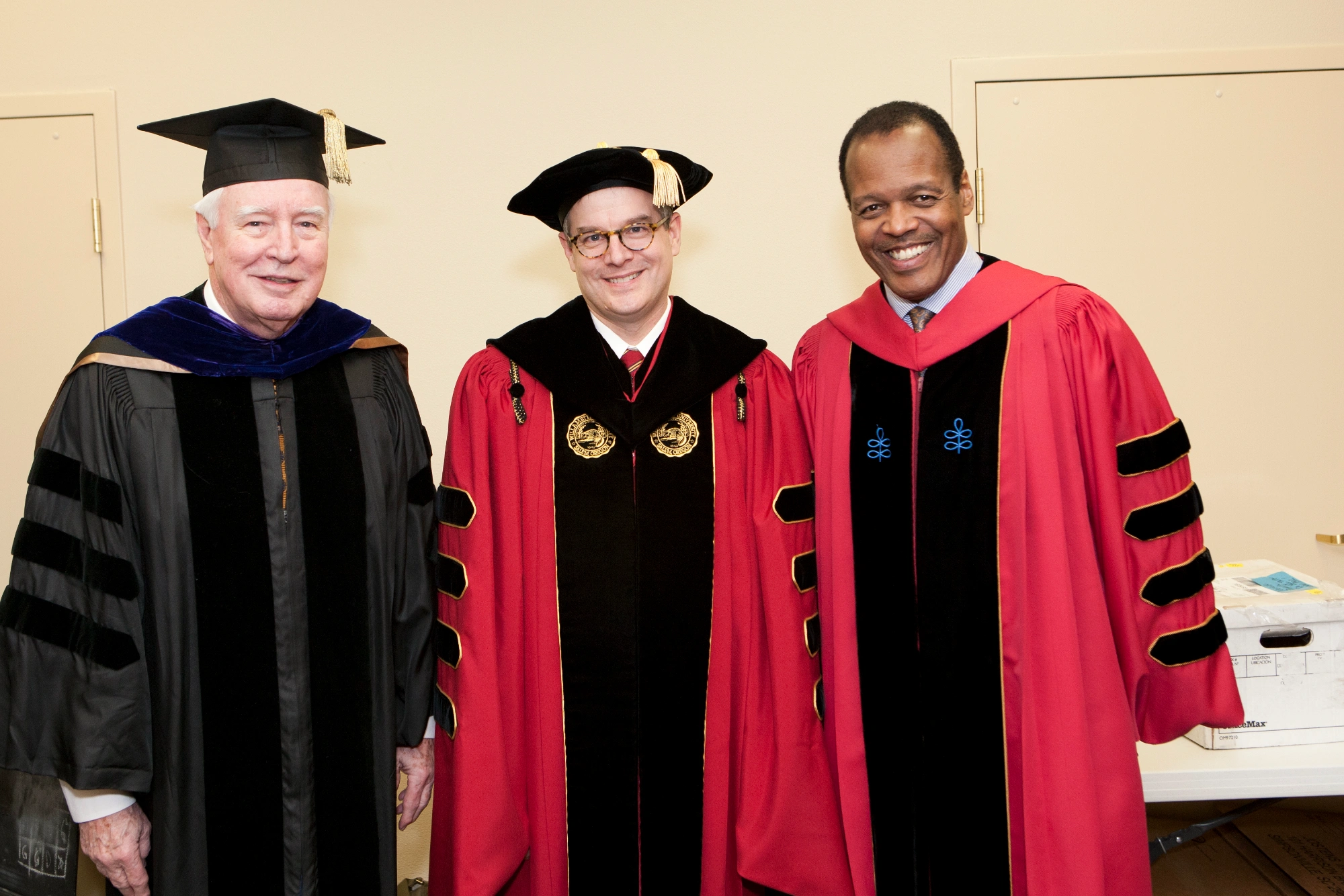
On Feb. 10, 2012, when Stephen E. Thorsett was inaugurated as Willamette University’s president, then-University Chaplain Charlie Wallace opened the day’s ceremony with an invocation that observed what made the university’s new leader unique. Addressing the divine with his signature wry wit, Wallace said: “You have previously sent us preachers as leaders (lots of them), and most recently a historian, a lawyer, and an English Lit. scholar; you have now seen fit to bring us an astrophysicist, one who, it turns out, knows this sector of the galaxy uncommonly well.”
An internationally recognized astrophysicist by training, Thorsett was certainly familiar with distant celestial bodies — perhaps most notably, the oldest-known extrasolar planet, which he co-discovered in 1993. But his deepest connection was far closer to home. His father, Grant Thorsett, was a beloved biology professor who taught generations of Willamette students over a 41-year career — giving the younger Thorsett a unique perspective for a university president: growing up on the campus he now leads.
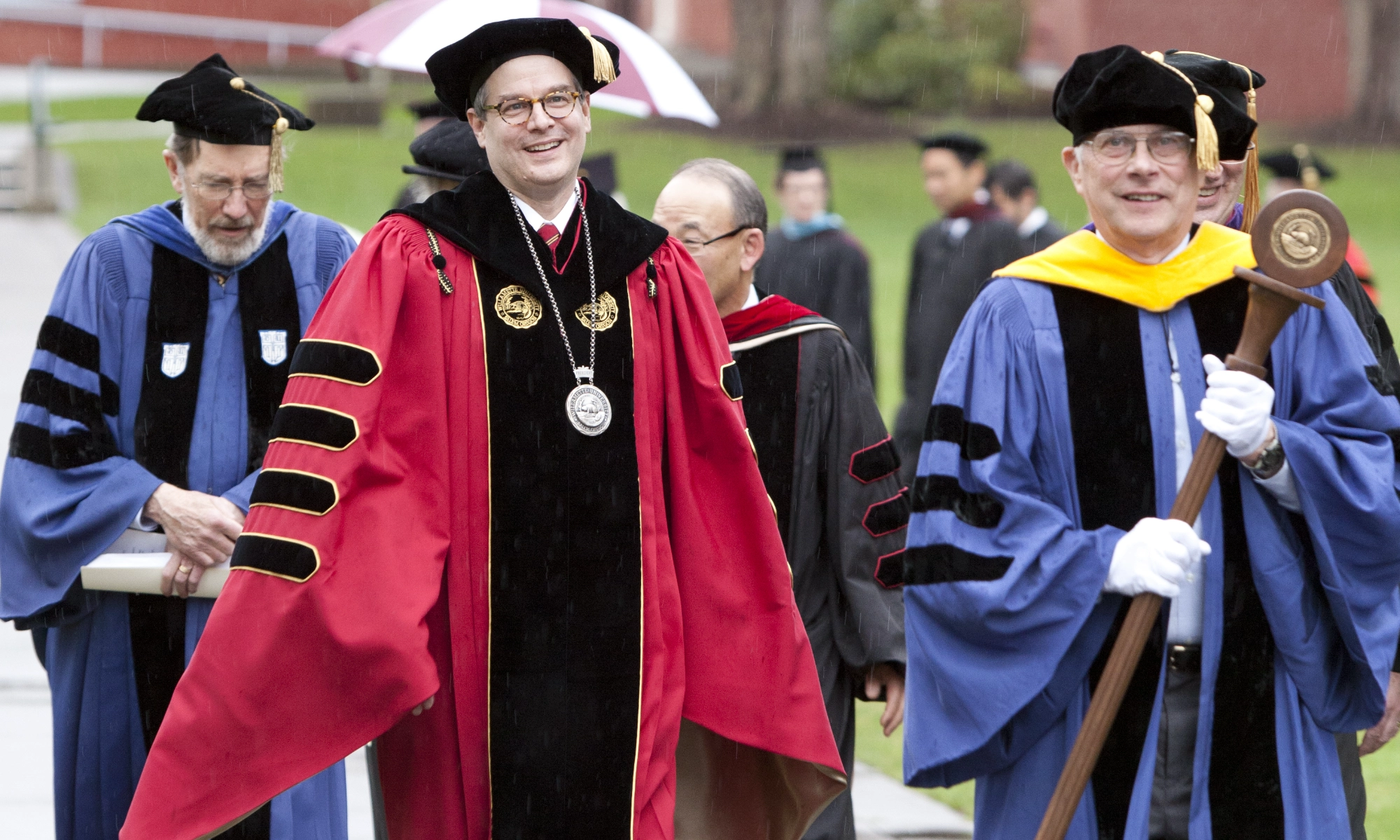
Indeed, Thorsett may hold the title as Willamette’s senior-most employee as defined by date of first hire. In the 1970s, as a middle school student, he worked at some of Oregon’s earliest computing camps, which were held on the campus (and he still has the pay stubs to prove it). Between early memories of faculty picnics in the park, summer jobs washing dishes in the old Doney dining hall, and Bearcat athletics events, Thorsett wrote in a 2011 issue of The Scene magazine, “my two brothers and I practically grew up on the Willamette University campus.”
“There was a running joke when I first came that advancement officers out on the road kept running into countless numbers of my former babysitters,” Thorsett recalls with a smile.
Those deep and lasting experiences with Willamette, spanning over five decades, give Thorsett a visceral sense of the history of the institution, experienced not just through buildings and budget lines, but through faces, names, and stories of generations of Willamette faculty and alums.
“Almost without exception, any alum I meet, I can find some point of common understanding and connection that becomes the beginning of a conversation about continuity and about today's Willamette that can be grounded in an understanding of yesterday's Willamette as well,” Thorsett says.
Now, as he begins his 15th year as Willamette’s president, Thorsett reflects on a decade and a half of innovation, while looking forward to Willamette’s next chapter.
From liberal arts student to liberal arts university president
By the time he took the helm at Willamette on July 1, 2011, Thorsett had built a strong appreciation for liberal arts education and a long record of academic accomplishment and leadership.
At the University of California, Santa Cruz, Thorsett served as professor and chair of the Department of Astronomy and Astrophysics. He also served as the dean of its Division of Physical and Biological Sciences, leading a unit roughly comparable to Willamette in terms of budget and numbers of faculty, staff and students. As dean, Thorsett found a love of academic leadership as a way of working with others.
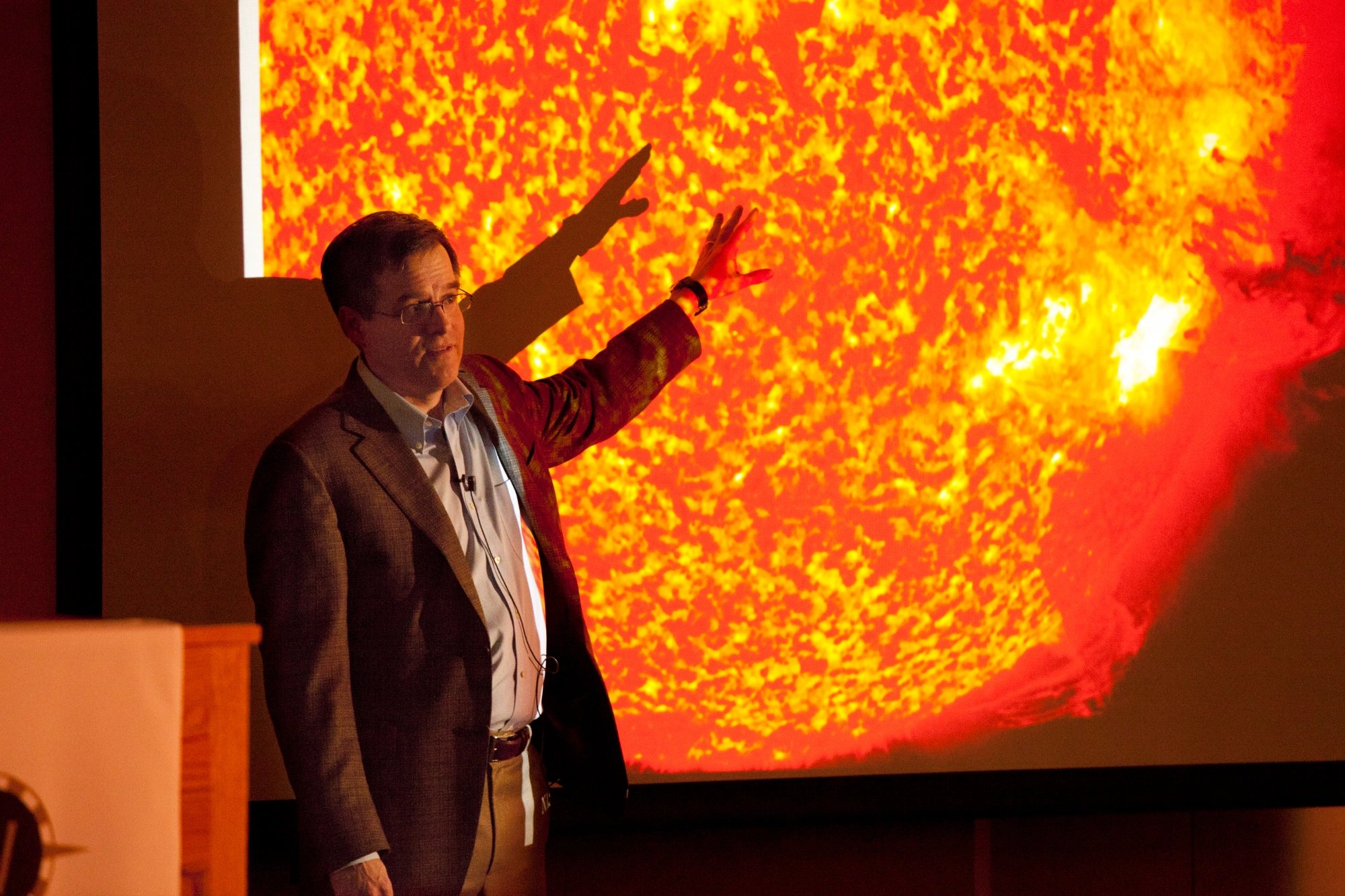 “That got me back into the broader thinking that had taken me to a liberal arts college initially,” Thorsett says. “I'm not just interested in neutron stars, I'm interested in lots of things. And being dean then gave me a way both to learn about different things, but also to start to measure success, not by what I was doing, but by whether the students and faculty members who were in my division could do what they were excited about.”
His commitment to academic excellence and leadership caught the attention of Willamette, which found itself in need of a new leader after former president M. Lee Pelton announced his departure from the university.
“Steve stood out from an impressive group of candidates not only for his academic, teaching, and demonstrated leadership skills (all of which were impressive) but for his appreciation of the difficulty and delicacy inherent in assuming responsibility for the stewardship of an institution as respected as Willamette,” says Life Trustee Steve Wynne BA’74, JD’77, who led the search process for Willamette’s president. “His leadership over the past 15 years has more than exceeded our highest expectations.”
A university in transition
Although the new President Thorsett had spent his formative years on Willamette’s campus, he didn’t take that connection for granted when he returned home to Salem. He spent a significant part of his first year in listening sessions, working to understand the concerns of the entire Willamette community, as if the campus he’d known since boyhood was one he still had everything to learn about.
What Thorsett discovered was a university in transition. Like many institutions, Willamette was still recovering from the lingering effects of the Great Recession. It was adapting to a world of changing technology, a more diverse student body, and a growing and shifting faculty. Nearly half of the undergraduate faculty had been at Willamette for five years or fewer when Thorsett took office. It was a university being remade by turnover as it worked to hold on to what it had always been.
As Thorsett stated in his inaugural address, a changing world and a changing campus meant reaffirming Willamette’s values: “These changes merely add depth and complexity to what is, essentially, a deep continuity of Willamette’s purpose and mission.”
Still, the environment around higher education as a whole would change significantly. The year before Thorsett arrived back at Willamette turned out to be the peak in U.S. college enrollment preceding a downward trend. The so-called “demographic cliff” caused by declining birth rates during the Great Recession meant needing to plan ahead for a financially tight future with fewer high school students heading toward college.
The trends were in the data for anyone who looked, but were easy to set aside against the daily evidence of a healthy, respected institution. That was the hard part: acting on pressures that hadn’t yet become challenges and asking Willamette to change while it still had choices rather than waiting until it didn’t.
“The running theme of the last 15 years has been: how do you help an institution move through environmental changes that are not obvious and clear to everybody?” Thorsett says.
A bigger, broader, bolder Willamette
The university’s strategic plan of 2012, which came out of Thorsett’s early listening sessions, was a first response to those changing circumstances and called on the university to think of itself as a unified institution in new ways. Rather than a collection of separate schools under a university banner, the “Big W” vision for Willamette pointed to the interconnected nature of Willamette’s programs and faculties.
That plan also doubled down on Willamette’s commitment to the Pacific Northwest, declaring: “we seek to take better advantage of our singular location by becoming the independent university most authentically engaged with the Northwest.” To that end, Willamette began investing in partnerships with government agencies and nonprofits and engaging students in learning opportunities rooted in a sense of place, informed by Willamette’s home in Salem and the Northwest.
“The running theme of the last 15 years has been: how do you help an institution move through environmental changes that are not obvious and clear to everybody?”
The “Big W” vision wasn’t an abstraction. Over the next decade, it took physical and programmatic form, with each new initiative showcasing how far a small, private institution could stretch without losing sight of its mission and purpose.
New collaborations between and within Willamette’s schools led to multidisciplinary learning opportunities for students, like the popular undergraduate business major and minor, which would bring faculty from the Atkinson Graduate School of Management to teach undergraduates.
Interdisciplinary efforts spanning computer science, mathematics, and management became Willamette’s School of Computing & Information Sciences, creating the Pacific Northwest’s only institution on Fortune magazine's Best Master's in Data Science list. Years before the current revolution in artificial intelligence technology, Willamette faculty were grounding students in human-centered computing drawing on a liberal arts approach to technology.
In 2024, Willamette opened its new Graduate & Professional Center in Portland’s historic Ecotrust Building, anchoring the university's long-standing presence in the metro area. A hub for graduate learning and industry partnerships, the space creates more opportunities for students to engage with the economic and technological engines of the region.
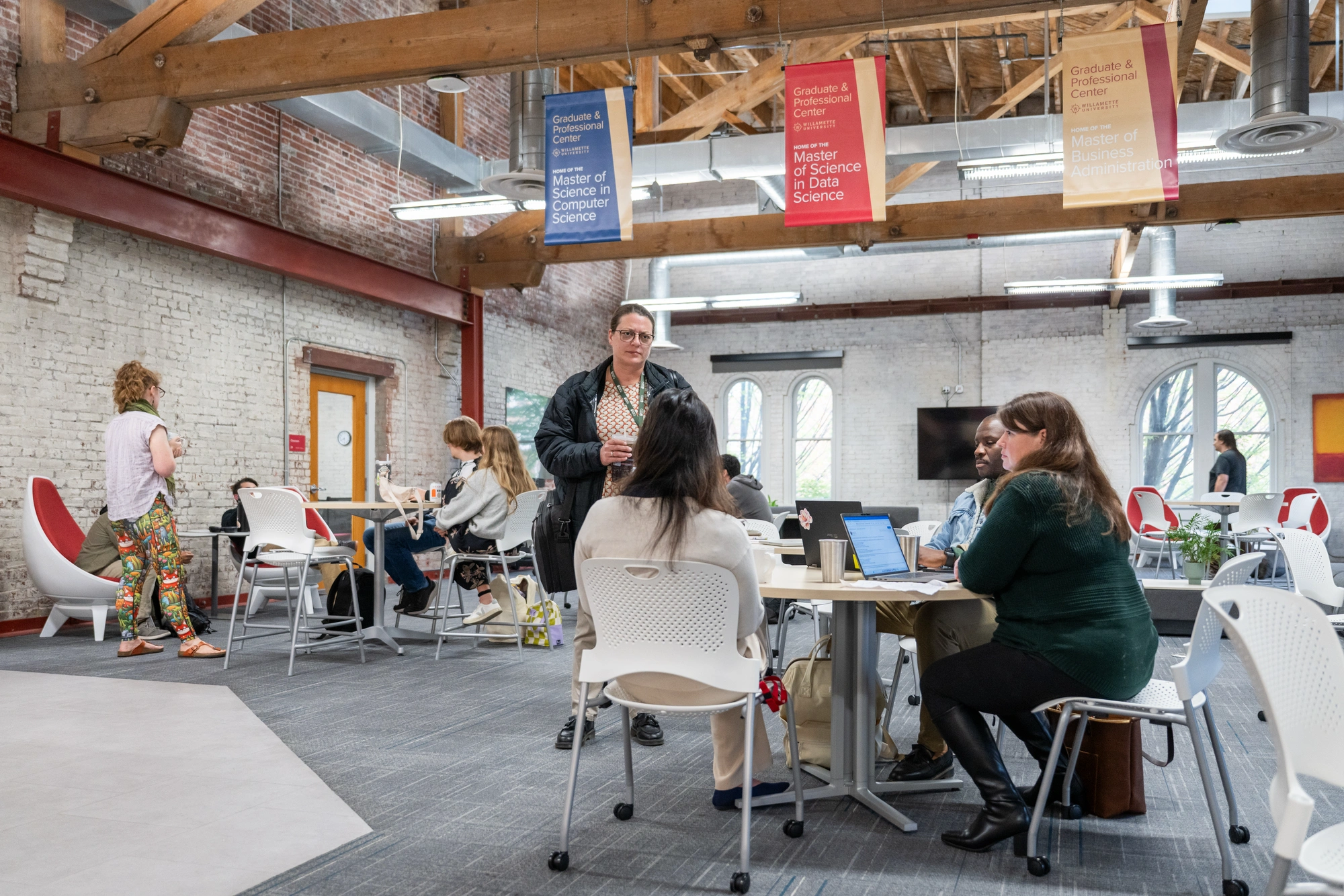
Each new program builds on the collaborative spirit of the faculty deep within Willamette’s DNA, where disciplinary silos don’t get in the way of innovative teaching and learning.
“One of the things Willamette’s really good at is the ability to bring faculty together across disciplinary lines,” Thorsett says. “Not just cross-disciplinary arts and sciences connections, but between the arts and sciences and the professions or between one profession and another profession. That's really, really hard to do in a large research university.”
The new programs launched under Thorsett’s leadership were designed to serve the areas of greatest need in the 21st century. The university’s current strategic plan, adopted in 2022, puts the university at the center of the world’s most important conversations surrounding big data and human-centered computing, democratic institutions, and climate change: “Across all of our schools, Willamette students will be prepared to bring multidisciplinary perspectives to bear on some of the most pressing challenges of their generation.”
Prioritizing student support led to the largest fundraising effort in university history — securing $160 million in donations and pledges, primarily dedicated to expanding student access and scholarships. The gifts are already transforming the lives of current and future Willamette students, including helping to bring in capable students higher ed hasn’t always served well — first-generation students, students with high financial need, and rural students. And as families grew more skeptical about whether a college degree would lead to a career, Willamette expanded its career center to connect academics and career in a more concrete way.
A university that does hard things
The two themes identified in 2012 and built upon over the subsequent years — a more unified Willamette and an increased engagement with the Pacific Northwest — continued to guide Thorsett’s vision for what came next in Willamette’s story. But along the way, Willamette and the world were tested.
Out of all the challenges of his 15 years, Thorsett points to the COVID-19 pandemic as a unique crucible of leadership and for the Willamette community — but one that left the university stronger. The crisis hit at the heart of what makes an intimate campus community special by driving classes online. But in the midst of social distancing and the need for rapid adaptations in teaching and learning, Willamette navigated the unprecedented situation, keeping campus open while others shuttered.
During the pandemic, Thorsett and senior leaders were committed to keeping Willamette open safely for teaching and learning.
“What I admired about Steve in that setting was that he kept to his template. He kept his steady, calm demeanor,” says Carol Long, who served Willamette as provost, faculty member, and senior vice president until 2025. “He really thought most about the students and the faculty and tried to make it as positive as possible for people. I think you saw that with the students who were on campus.”
For Thorsett, the experience was a lesson in doing hard things. He learned the importance of trusting in the expertise of his team, building communications across the university, and constantly adapting strategies as new information became available.
“We were becoming an institution that had done something really hard and had done it in the face of significant uncertainty; we had moved forward and corrected things along the way that needed to be corrected and successfully accomplished it,” Thorsett says.
Over and over, Willamette chose to do the challenging thing. Rather than retreating in the face of rapid shifts in demographic, social, technological, and political trends, Willamette continued to grow.
“We were becoming an institution that had done something really hard and had done it in the face of significant uncertainty.”
In 2017, Willamette and the Claremont School of Theology announced they were exploring embedding CST into Willamette, another reflection of Thorsett’s expansive vision for how Willamette could grow and adapt to the changing needs of higher education and the region.
While the partnership with CST fell through, this initial foray into mergers helped set the stage for Willamette’s next big move. In 2021, Oregon’s premier art and design school, the Pacific Northwest College of Art, formally joined Willamette as its fourth college. Most mergers in higher education end with the smaller institution flattened and absorbed into the larger one. This one was different. PNCA and Willamette’s Salem campus kept their own identities and cultures even as they became something larger together, a deliberate choice about what was worth preserving.
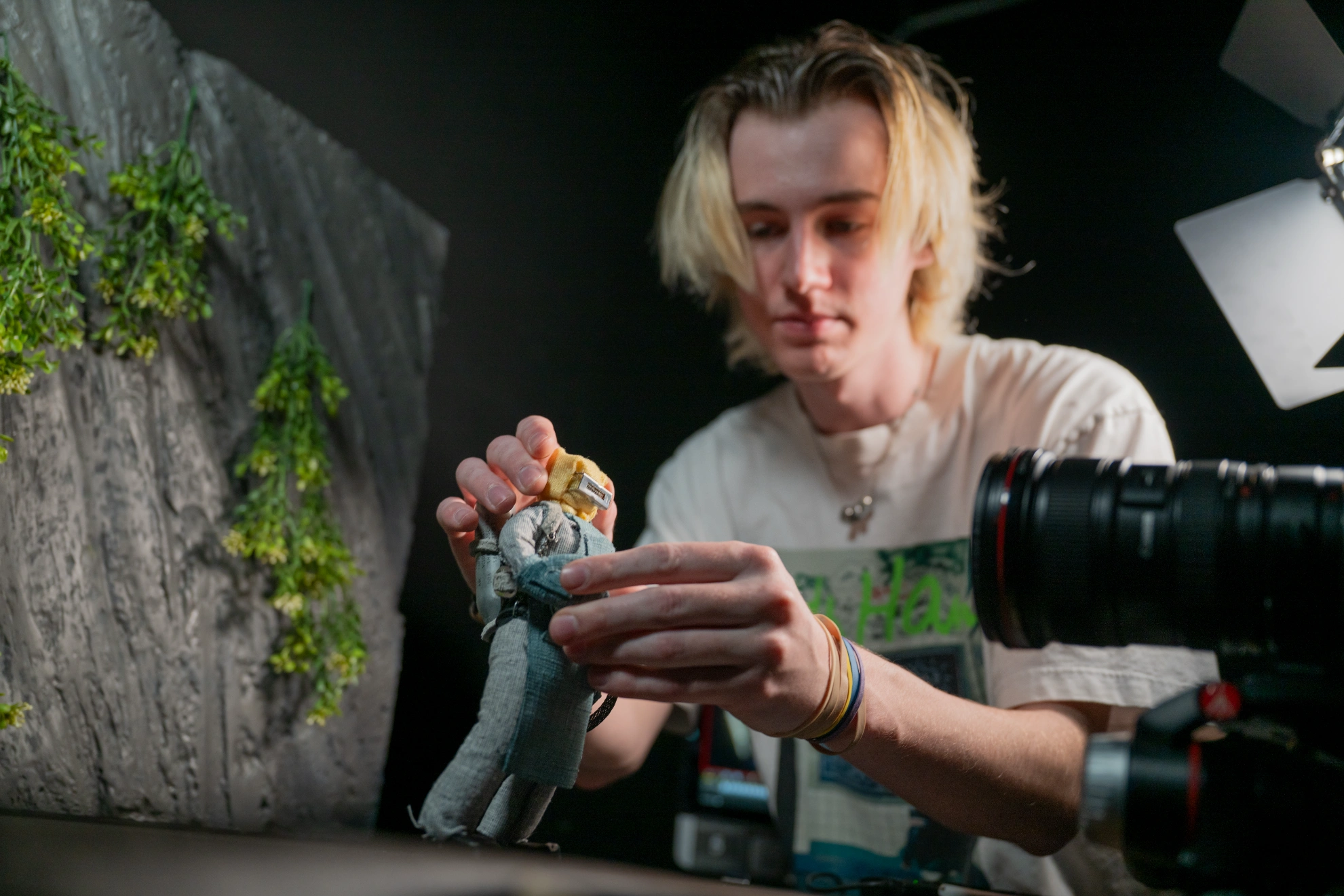
Five years later, PNCA continues to thrive — serving as a hub of Oregon’s creative economy and a front porch for Portland’s bustling arts and design community. This fall, the school will debut an innovative revamped general education curriculum that invests in applied creative practice, preparing students to merge artistic expression with practical career skills in a rapidly evolving economy.
Continuity and change
Over Willamette’s history, university presidents faced moments of significant change, resulting in institutional transformation. President Carl Doney led through the early years of the Great Depression. President G. Herbert Smith navigated the campus through World War II and the post-war reconstruction of the campus. President Jerry Hudson crafted the modern Salem campus and built Willamette into a national university.
Long, who served Willamette under the leadership of six different presidents as a faculty member and senior leader, says that this broader view is what makes Thorsett’s leadership stand out.
“Steve looks at context carefully — and not just immediate or campus context. He looks across the spectrum,” Long says. “He works carefully with all those different audiences and tries to listen, tries to see what's happening and how it fits together, how it impacts or can help or stand in the way of what we're trying to do. And not everybody does that.”
Jeff Heatherington BA’65, founder and CEO of FamilyCare Health and one of Oregon’s most innovative healthcare leaders, has also worked closely with several Willamette presidents, most recently working to transform public health education for Willamette students.
“One thing you can count on from Steve is real steady, focused, thoughtful leadership,” Heatherington says. “That you can count on.”
With her 50 years of perspective, Long sees in Thorsett a president who is managing Willamette for the long term, less for the tenure in front of him than for the Willamette that will exist in the decades to come.
“There were strengths that each individual Willamette president brought with their different styles,” Long says. “And I think that what we're seeing with Steve is this move to try and respond to the changes in higher education so broadly and to find a way to take Willamette’s principles and values and move them into that space.”
Heatherington agrees. “Even during COVID, Steve was always looking forward — how we can do this, and how we can do that, and what comes next — even though we were, like all universities, in the middle of a pretty challenging time,” Heatherington says.
Stephen Patterson, George H. Atkinson Professor of Religious and Ethical Studies, worked closely with Thorsett during the exploration of the CST partnership.
“Steve has given us steady leadership in a very tumultuous time. And the tumult is not yet over,” Patterson says.
Building a Willamette for the future
Now, Willamette is on the cusp of another profound moment of transformation. In December 2025, Willamette announced a proposed merger with Pacific University, a union that will bring increased breadth to the institution, expanding healthcare, graduate, and liberal arts pathways for future students. It is the “bigger, broader, bolder” idea carried to its most ambitious expression yet. If approved, Willamette and Pacific together would become Oregon’s largest private university, building capacity for students while maintaining the unique traditions and character of each institution.
This is growth, not for its own sake, but in support of the same bet Thorsett has made for 15 years — that an institution grows stronger by taking on hard things than by standing still.
“This is a challenging moment for higher education, but there have rarely been easy chapters in Willamette’s history. Through it all, the quality of our teaching and mentoring has never wavered, and the experience and value of a Willamette education have remained second to none in the Northwest,” Thorsett says. “That is a credit to our entire community — the faculty, staff, alumni, donors, and supporters who all make it possible.”
While some things have certainly changed on campus over his time as president, when asked to imagine what Willamette will look like a little over 15 years from now at the university’s bicentennial in 2042, Thorsett is more focused on what will be the same than on what will be different.
“I think the Willamette campus will look and feel very much like it does now,” Thorsett says. “It will change to meet the needs of the mid-century in ways that are hard to predict. But what I do hope is that we continue to lean into this integration of the institution. I really think that the connection between the liberal arts and the professions, between building broad capacities and getting experience in professional practice is something that we do really well and it's really closely connected to knowledge and to action. And even to the motto and the idea that we are here to serve others.”
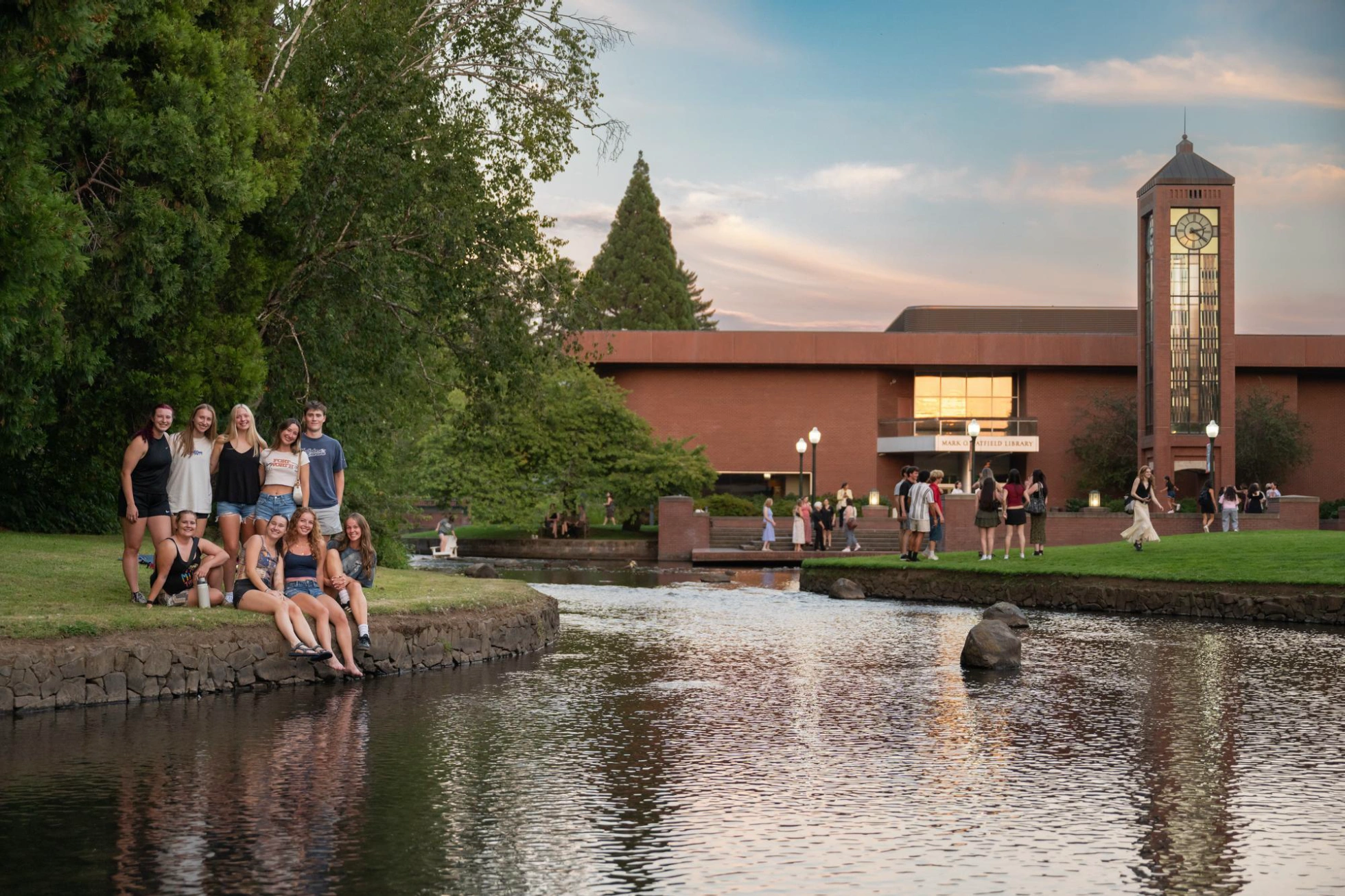 “The Mill Stream will still be there," Thorsett continues. "The white Adirondack chairs will still be there. Hopefully the Bistro will still be making big cookies.”
As he looks ahead to Willamette’s next chapter, Thorsett hopes that growing Willamette into a bigger and bolder institution will ensure the university remains true to its mission. By taking on new challenges while sustaining its 184-year commitment to liberal arts education, Thorsett is solidifying Willamette's standing as the Pacific Northwest’s premier liberal arts university — anchored always by its motto: Not unto ourselves alone are we born.
And when Thorsett looks out the window of his office on the fifth floor of Waller Hall — past the Star Trees, towards the Oregon State Capitol, and into Willamette’s future — he’ll continue to draw upon deep roots formed on the campus he’s called home since he was a young boy.
“When I am doing hard things and working on building a more sustainable institution, it's sustaining an institution that I've cared about for a long time,” Thorsett says. “And that’s really important.”