Evelyn Roehn JD'26 grew up in extreme poverty in rural Washington, watching family members cycle through the criminal justice system. When she arrived at Willamette Law and discovered the Street Law program, she didn't just see a volunteer opportunity — she saw the kind of program she needed growing up and the chance to ensure others could access these vital tools.
Street Law is a global program that seeks to create educational opportunities to teach students and communities about law, democracy, human rights, public policy, crime prevention, conflict resolution, and youth advocacy. At Willamette Law, Street Law works specifically with local youth through the Early College High School in Salem, Oregon, alongside Willamette Academy, Willamette University’s college access program for students in grades 8 to 12.
By the time Roehn got involved, law student participation in the program was low, and the teaching materials were outdated. Rather than stepping away, she stepped up. Leading the efforts to rebuild the program from the ground up, Roehn focused on modernizing the curriculum and reestablishing relationships with local attorneys. She sought to make the Street Law program engaging and even fun, reimagining what legal education could look like for high school students.
“My first year, I relied on PowerPoints, but I quickly learned that is not how students learn the law. That’s not even how I learn the law,” Roehn says.
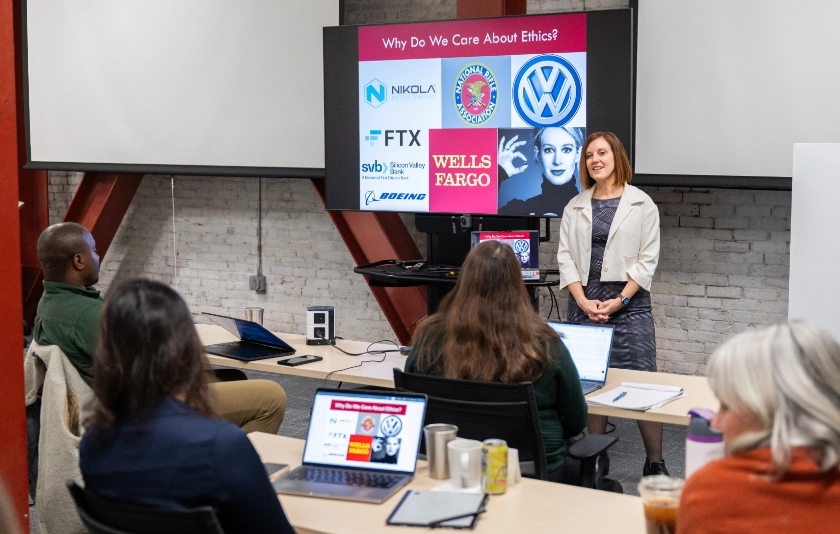
Today, law students work alongside a classroom teacher in “Youth & the Law” to introduce students to topics such as contracts, immigration, constitutional rights, and the broader justice system. What makes Street Law significant to the involved high school students is not just what is taught, but how it’s taught. Law students take the complicated topics they learn in class and break them down into hands-on, accessible exercises.
Now, instead of only lectures, students draft contracts by trading snacks, perform opening statements and cross-examinations, and debate real-world legal scenarios.
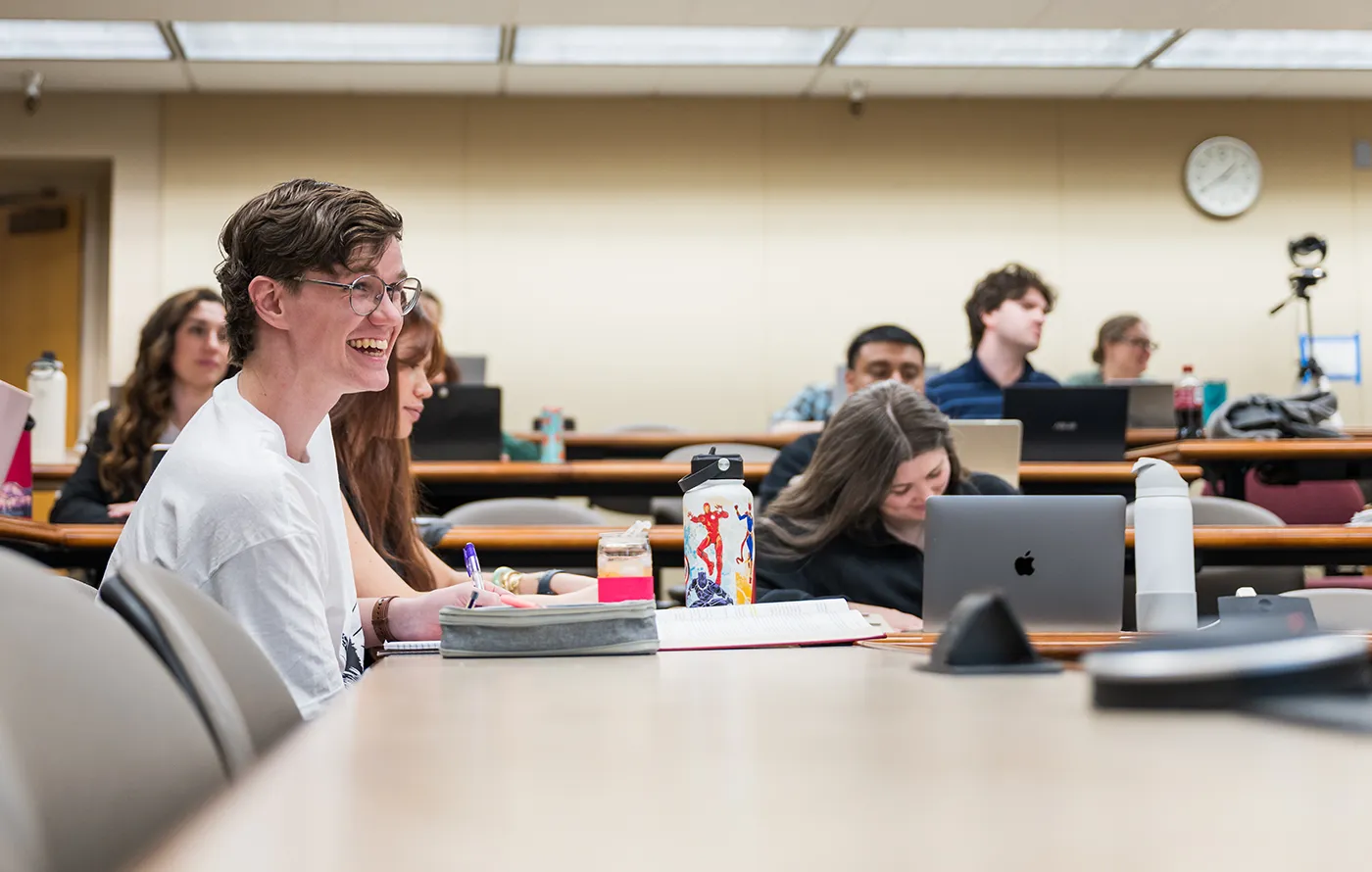
“I know how much they appreciate the material and are thinking critically about it because they are constantly asking questions. Sometimes they ask questions to better understand the material, other times, I think they are trying to have fun. Either way, it shows that they are engaging with the law,” shares Roehn.
Through the experience, Roehn has become a stronger law student by not only learning the law but also how to explain it. Thinking on her feet and responding to questions has given her a glimpse of what it means to be an attorney in a courtroom, where confidence and adaptability are essential.
“Every law student should participate in Street Law. Not only are you truly making a difference in the lives of these students, you can’t help but become a stronger lawyer and student yourself,” Roehn says. “In fact, I think you don’t truly understand the law until you help others to understand it too. It prepares you for all the ways you will need to explain real-life stakes to future clients.”
Support That Changes Lives
Witnessing family members move in and out of the criminal justice system made her want to help people. The opportunity to get engaged with Street Law is her way of doing just that, and this connection fuels her commitment to her students. She knows that for many young people, having just one mentor can make all the difference.
One of her favorite moments is watching students participate in a mock trial at the end of the course. Students apply all they have learned throughout the semester, and argue in a simulated courtroom in front of real judges. It is challenging, and Roehn has seen many students question whether they are able to rise to the occasion. Often, she notices, they just need someone to believe that they are capable, and it’s the mentorship of the Willamette Law students that gives them the confidence they need.
“I get choked up each time, because they did it. They proved to themselves that they could, and that is what this program is all about,” she says. “It’s recognizing that they have always had the ability, all they need is support and resources.”
The commitment that Roehn and Street Law brings can change lives. At the beginning of last semester, only a few of the students were thinking about attending college. By the end, nearly all of them were making plans to apply.
Planning for the Future
As Roehn plans for life after law school, her experience with Street Law has shaped her vision of what it means to be a lawyer. Working with students has made her more confident, adaptable, and committed to meeting people where they are. She has already accepted a position with the public defender’s office in the rural county where she grew up. Her hope is to bring the knowledge she gained in law school, and her experiences in Street Law, to make an impact in her home community.
“Understanding the law is the first step in changing it,” Roehn says, “My aim is to give the people in my community the tools they need to be successful and advocate for themselves.”
Now, with a revitalized curriculum and renewed energy, the Street Law program is looking forward to continued growth. In the coming years, the program hopes to expand to additional high schools and reintroduce more opportunities with local attorneys — giving even more students access to legal education.